Coordinates: 56.870134, 25.959222
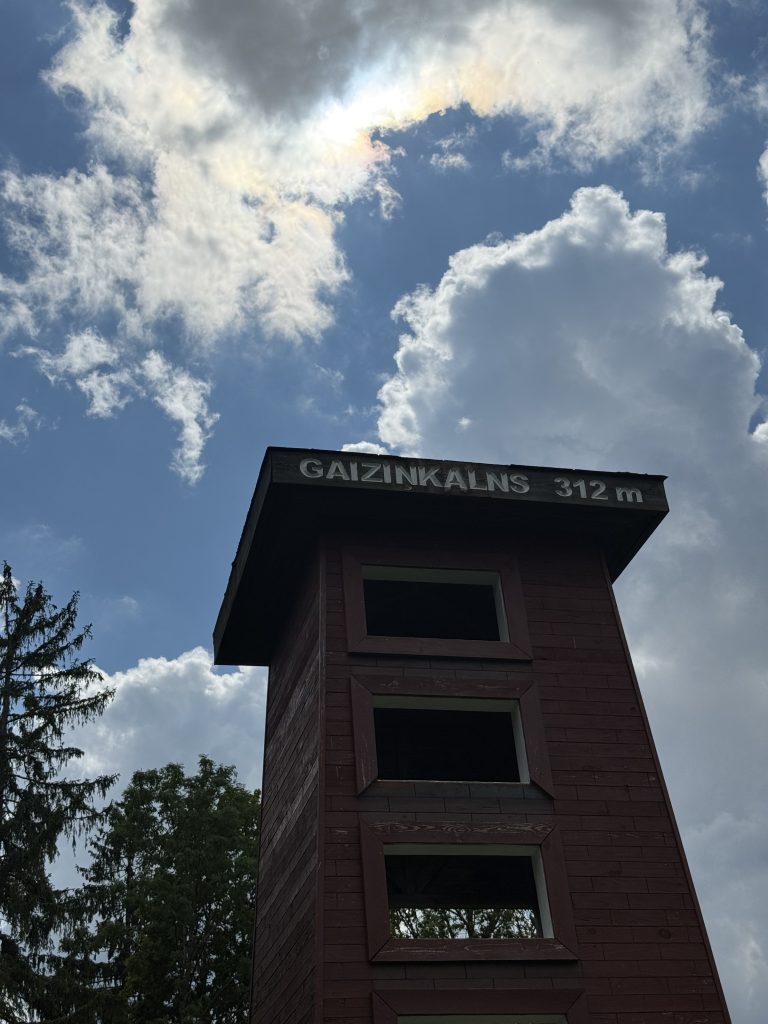
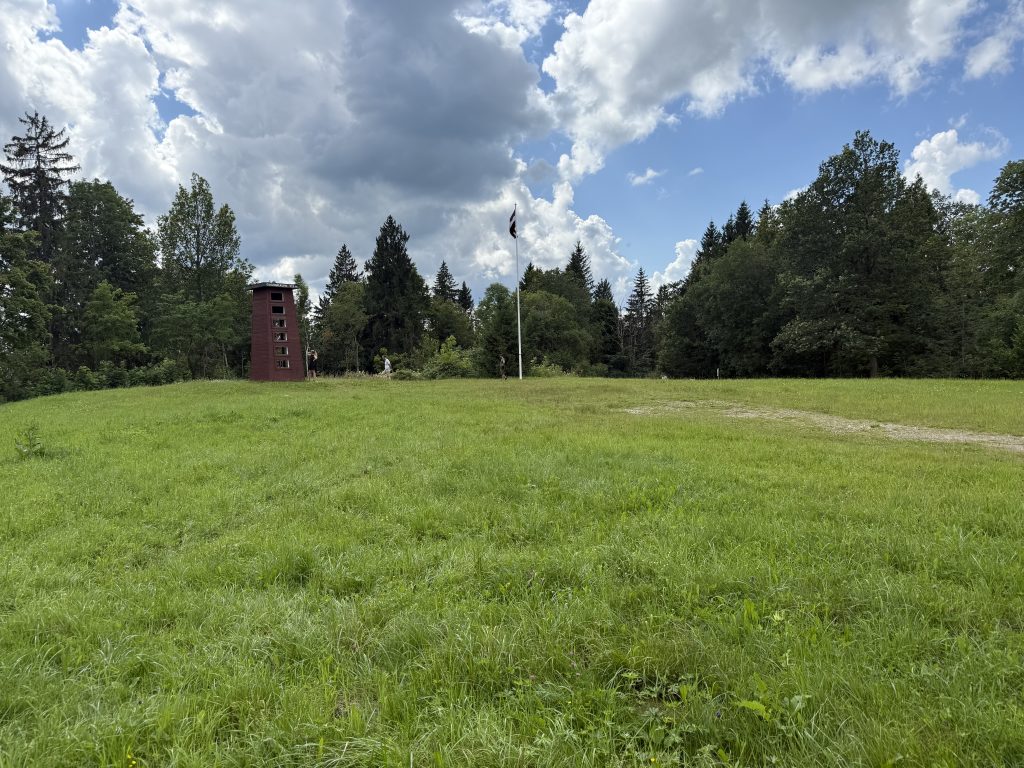
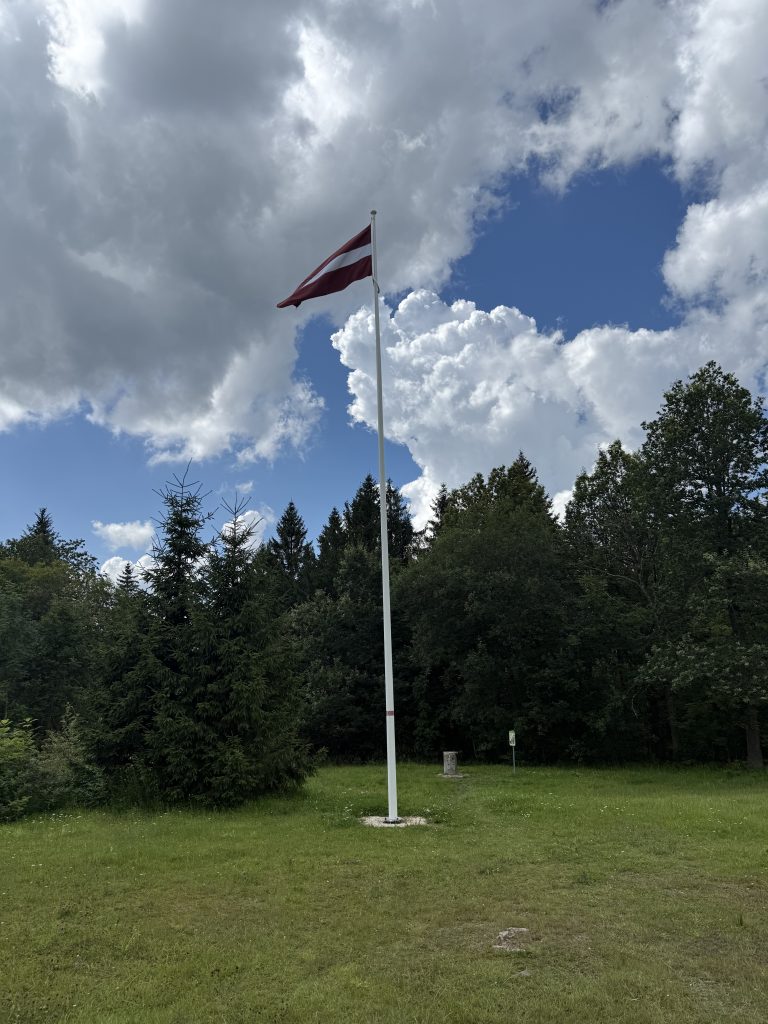
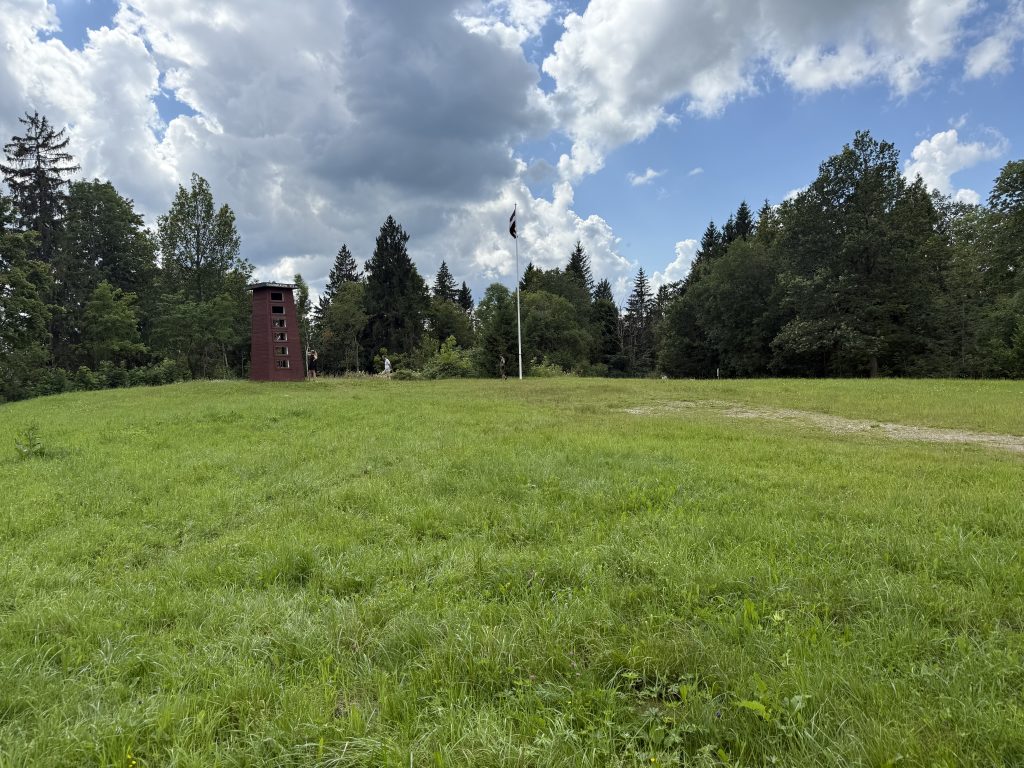
Gaizinkalns (in Latvian Gaiziņkalns or simply Gaiziņš) is the highest hill in Latvia, reaching approximately 311.9 meters above sea level. It is located in the Vidzeme Upland within the Madona municipality, Bērzaune parish, on the western edge of the Madona region.
Gaizinkalns is composed of sand, gravel, and moraine clay. The slopes of the hill are steep and covered with spruces and birches. The area is predominantly forested, with about 70% of the territory covered by spruce forests and small groves of oak or birch trees. Nearby there are several small lakes and a rich natural environment, making this area a nature park (Gaizinkalna Nature Park), established in 1987 and part of the Natura 2000 network.
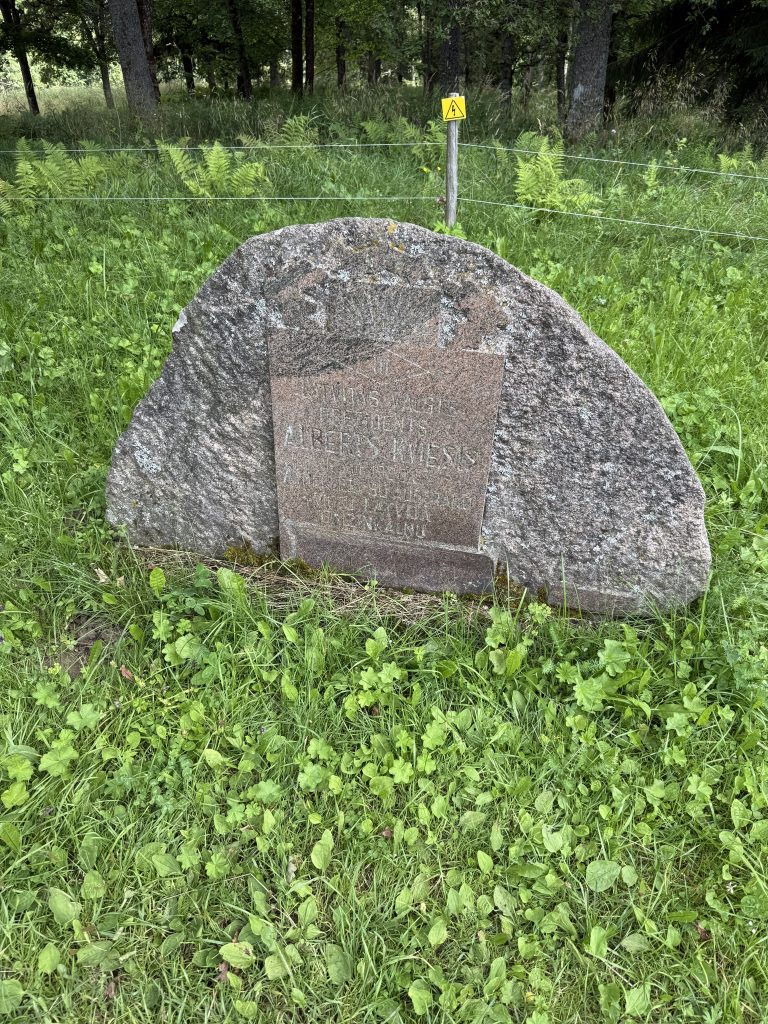
The hill holds not only natural but also historical and cultural significance. As early as the 19th century, folk dances called zaļumballes were held here. In the early 19th century, the well-known scientist Friedrich Struve conducted triangulation measurements on Gaizinkalns to determine its height. At the end of the 20th century, construction began on a tall observation tower, which unfortunately remained unfinished due to financial difficulties and poorly constructed foundations. In 2012, it was demolished using explosions.
Gaizinkalns is popular with tourists, especially during the winter season when ski slopes and lifts are operational, and sports and recreation facilities are available. Visitors can rent equipment such as snowboards, sledges, and skis. There is a gravel, marked hiking trail about 2 kilometers long, enhanced with steps, leading to the summit, from which visitors can enjoy beautiful panoramic views of the surroundings.
Additionally, Gaizinkalns is geologically interesting—the top layers of the hill contain a very thick clay layer, approximately 28.5 meters deep. Geologists estimate that the hill could be more than 16,000 years old, having formed after the Ice Age.
In summary, Gaizinkalns (Gaiziņš) is an important natural, cultural, and tourist landmark in Latvia, symbolizing the country’s highest point with an impressive natural environment and offering opportunities for relaxation and recreation during both summer and winter seasons.