Coordinates: 54.5271° N, 25.6261° E
Introduction
Aukštojo Kalnas, also known as Aukštasis Kalnas, is the highest point in Lithuania, located in the Medininkai Highlands near the village of Juozapinė, close to Medininkai in Vilnius district. Rising to an elevation of 293.84 meters above sea level, it surpasses the previously considered highest point, Juozapinė Hill. This hill is part of the Juozapinė geomorphological reserve and is a significant natural landmark in Lithuania.
Geographic and Geological Features
- Aukštojo Kalnas is situated within the Juozapinė Nature Reserve, covering an area of 251 hectares.
- The hill is formed from morainic deposits including moraine clay, sandy loam, gravel, and boulders.
- Its surface was shaped during the penultimate glaciation period, making it one of the oldest landforms in Lithuania.
- The northern and eastern slopes are gentle, while the southern and western slopes are steeper and dissected by small valleys.
- The hill is covered by a grove of pine trees typical of the Medininkai region.
Historical and Cultural Significance
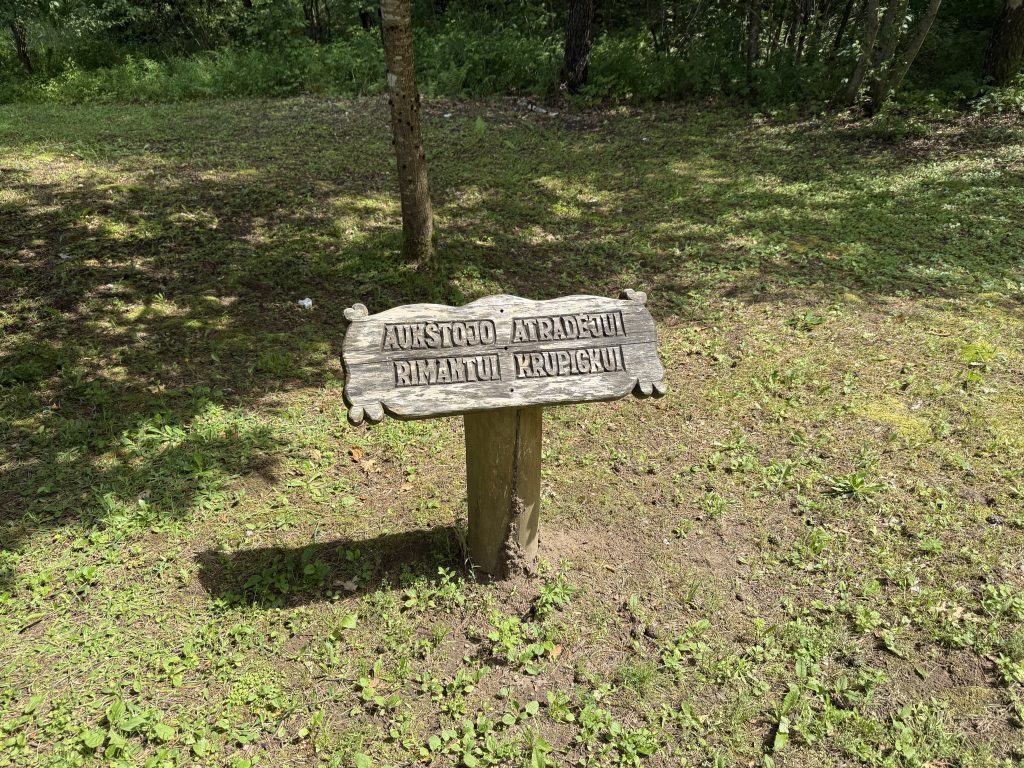
- The name “Aukštojo” was officially assigned in 2005, honoring Aukštėjas, the supreme deity in ancient Baltic mythology, considered the creator of the world.
- The hill was named to replace Juozapinė Hill as Lithuania’s highest point after modern GPS measurements confirmed its greater elevation.
- Aukštojo Kalnas holds symbolic importance as a natural monument and is a site for cultural and ecological events.
- The area is managed for tourism and cultural purposes, with plans for annual celebrations such as Mindaugas’ Coronation Day and Earth Day.
Visiting Aukštojo Kalnas
- Location: Juozapinė village, Medininkai eldership, Vilnius district, Lithuania.
- Coordinates: 54.5271° N, 25.6261° E.
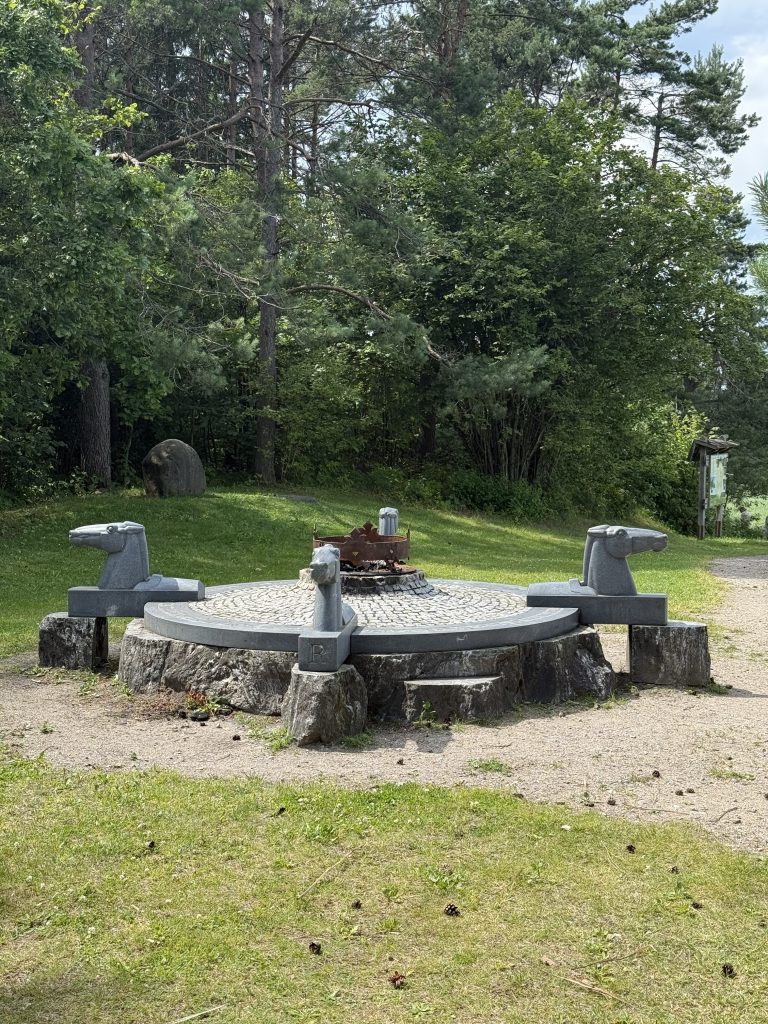
- The site features a geodetic marker and a commemorative stone indicating its status as the highest point in Lithuania.
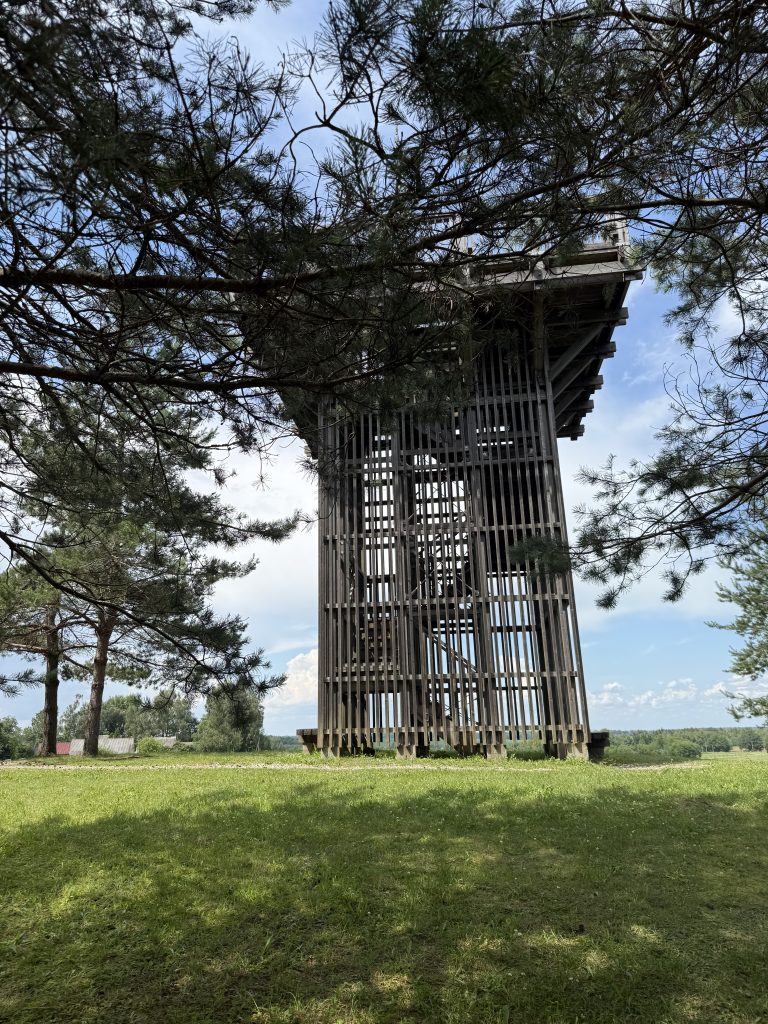
- A wooden observation tower near the summit offers panoramic views of the surrounding Medininkai Highlands.
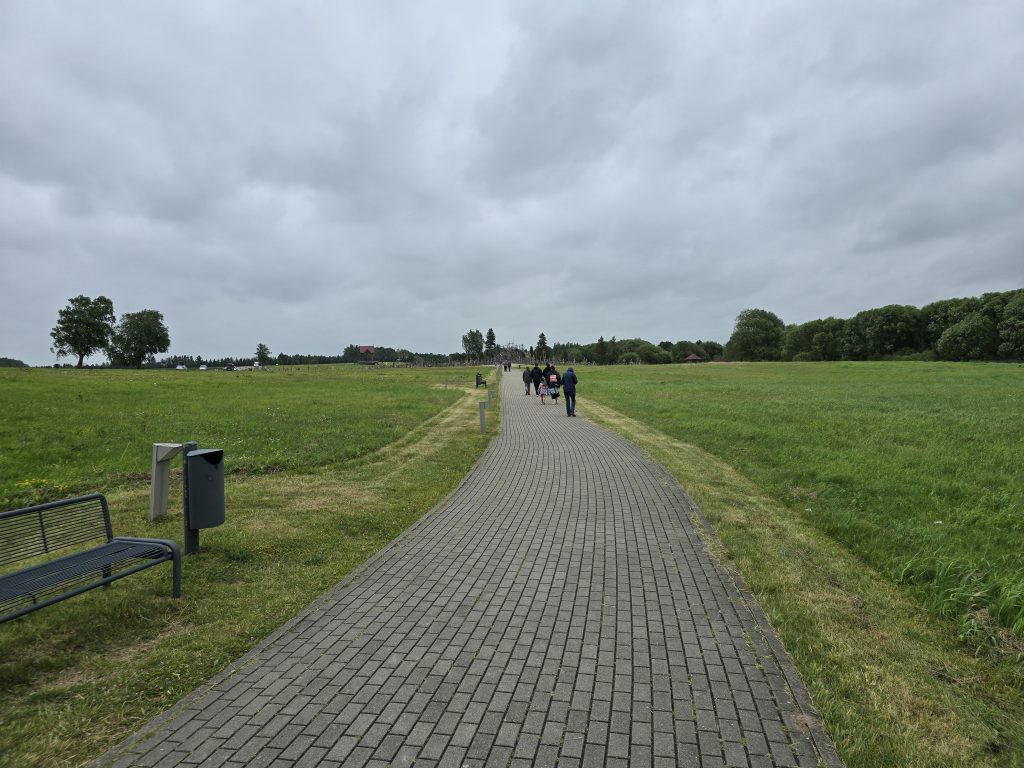
- The reserve is accessible by car or bicycle, and it is a popular destination for nature lovers and hikers.
Conclusion
Aukštojo Kalnas stands as Lithuania’s highest natural elevation and a symbol of the country’s rich natural heritage and ancient cultural roots. Its unique geological formation, combined with its mythological name and protected status, make it a noteworthy destination for visitors interested in nature, history, and Lithuanian identity.
This article provides a comprehensive overview of Aukštojo Kalnas without any external links, focusing on its location, significance, and visitor information.